Indigenous Fashion Is High Fashion
An in-depth interview with casting director Thomas, aka @landbackbaddie.
THÓMAS LOPEZ JR.
TRAN MAGAZINE: You grew up surrounded by activism and community organizing, eventually becoming involved with the Standing Rock movement and Indigenous youth organizing. How did those experiences shape the person who would become Land Back Baddie—and eventually lead you into fashion?
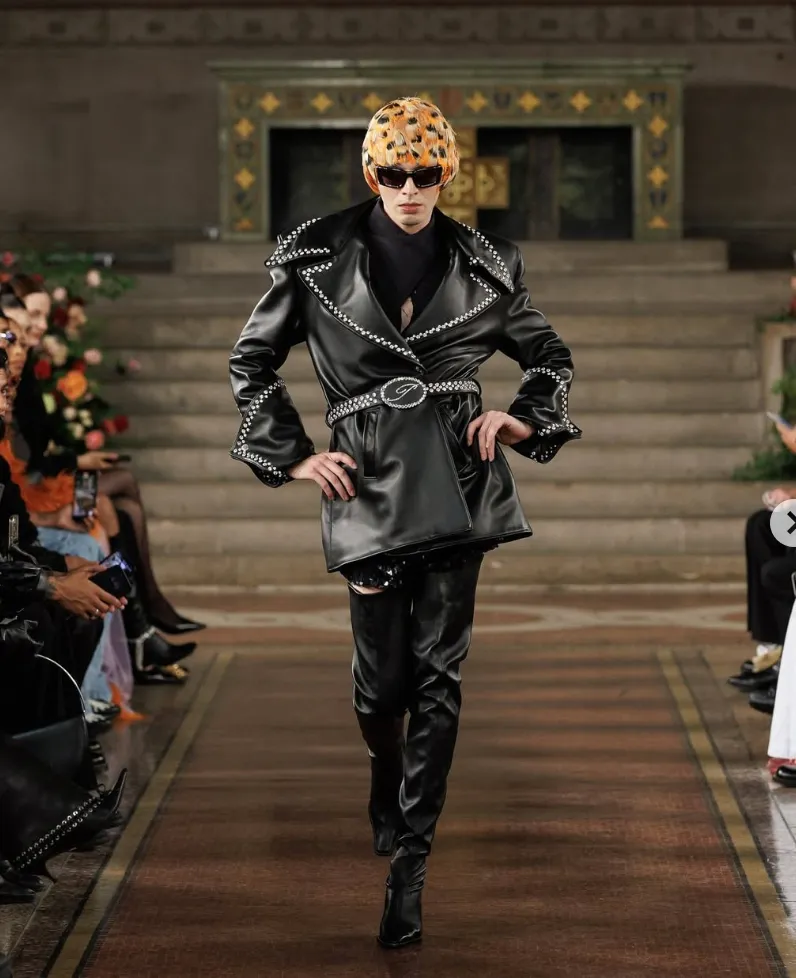
TRAN MAGAZINE: You are now the Casting Director for Indigenous New York Fashion Week, helping bring Indigenous models and designers onto one of fashion’s biggest stages. What does it mean to build a runway where Indigenous people aren’t simply being represented, but are actually defining what Indigenous fashion looks and feels like on their own terms?
TRAN MAGAZINE: Fashion has always been connected to identity, but Indigenous fashion carries histories, cultural knowledge, ceremony, politics, and community with it. Indigenous cultures have also long recognized diverse gender identities and queer roles, many of which were suppressed or disrupted through colonization. How do you approach casting and creating an image that honors those histories and the presence of queer and gender-diverse people within Indigenous communities, without separating the clothes and the people wearing them from the cultures and stories behind them?
TRAN MAGAZINE: Land Back Baddie has become its own kind of visual language—fashion, humor, body positivity, queerness, Indigenous identity, and activism all existing together. How did you discover that you could use glamour, sexuality, humor, and fashion as tools for cultural expression and resistance?
TRAN MAGAZINE: As a queer Indigenous person working in fashion, what does visibility mean to you? And how do you navigate an industry that may want to celebrate Indigenous aesthetics or queer identity while still not fully understanding the people and communities behind them?
TRAN MAGAZINE: So much of your work extends beyond fashion into community—creating visibility, connecting people, advocating for Indigenous rights, and using your platform to uplift queer and Indigenous people. What does community care look like to you, and how can fashion become a tool for building community rather than simply selling an image?
TRAN MAGAZINE: Indigenous New York Fashion Week is creating a space where Indigenous designers, models, artists, and cultural workers can define their own narrative within the fashion industry. Looking toward the future, what do you want the next generation of Indigenous, queer, and gender-nonconforming creatives to inherit from the work you’re doing now?