Thy Kingdom Come: Interviews with NYC's Drag Kings
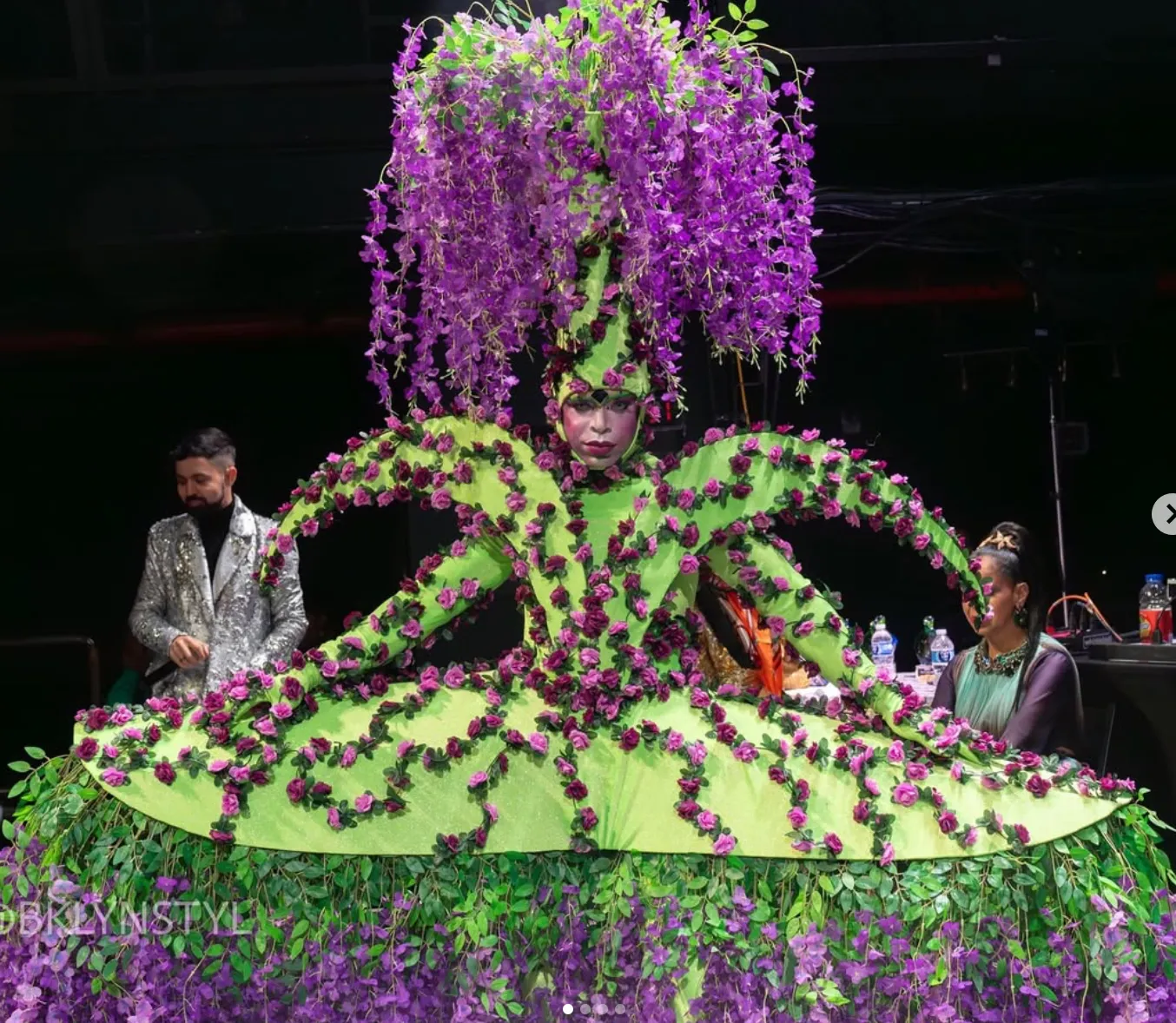
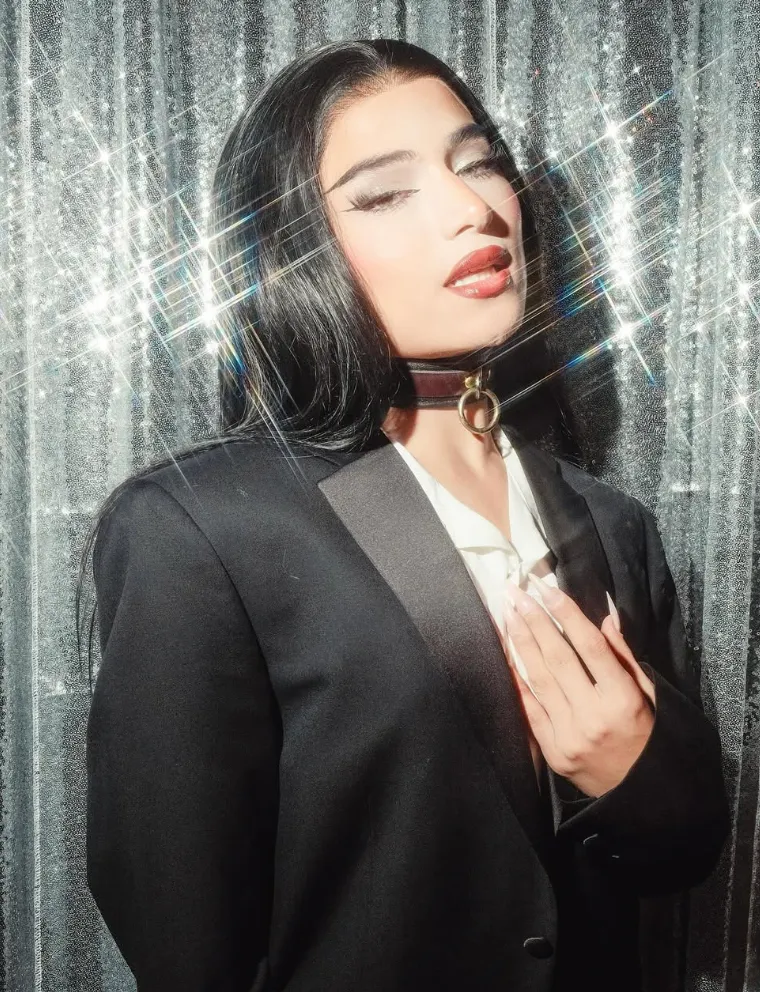
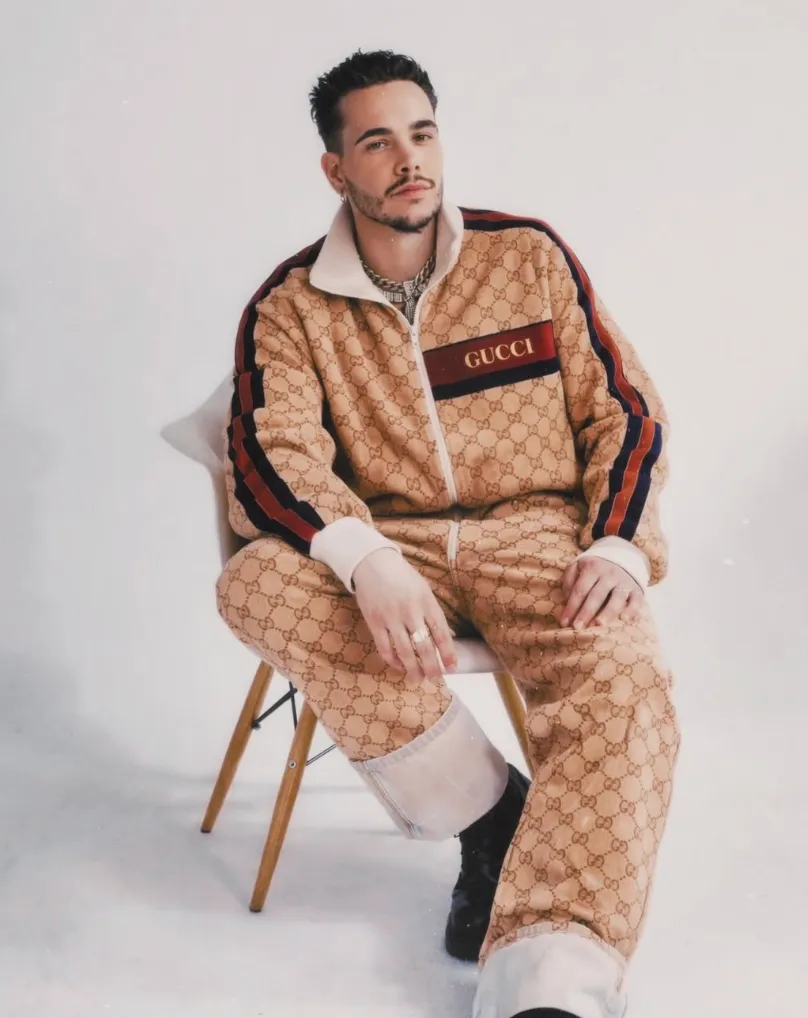
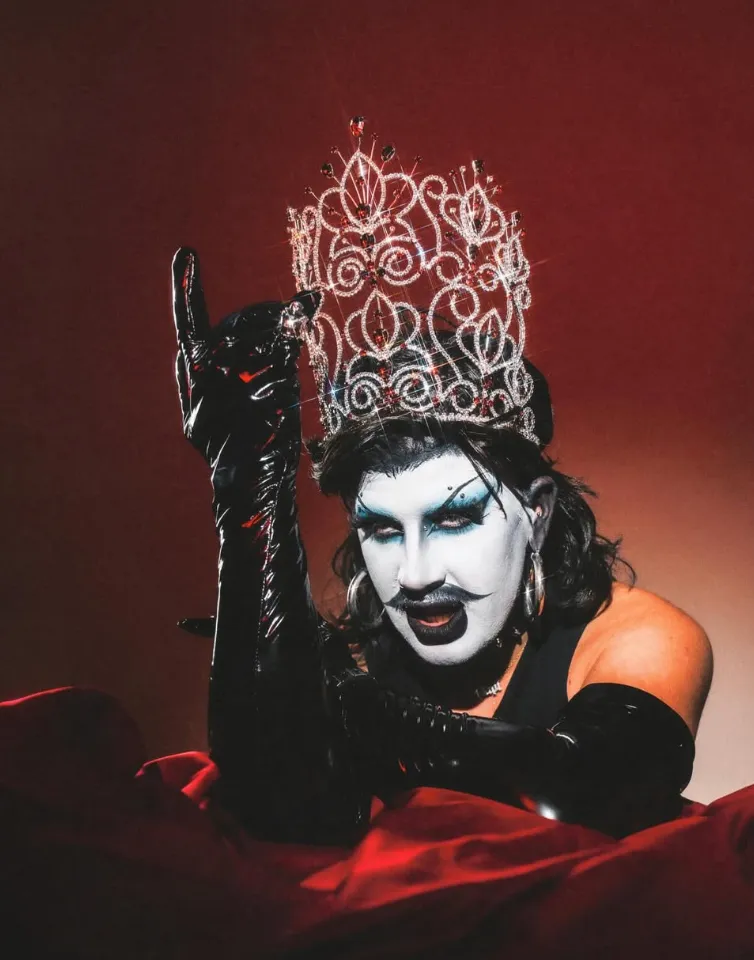
Show Ponii, Sweaty Eddie, and Myster E Mel.
Compared to their feminine counterparts, drag kings have traditionally been treated as second fiddle, both by the queer community and by wider society at large. Performance of exaggerated masculinity has been less open to societal mockery than exaggerated femininity because of the subjugation of women and the domination of men. However, in the past couple years, drag kings have started to come into their own, with the TV Show, King of Drag, hosted by the iconic Murray Hill, marking that transition to the mainstream. We decided to interview four veteran local drag kings to see how the experience of being a drag king has changed over the past few years.
Questions
Welcome to Tran Magazine! What inspired you to become a drag king, specifically, as opposed to any other form of performance? What is specifically appealing about doing masculine drags?
What are the biggest misconceptions the rest of the queer community has about the effort and work it takes to be a drag king, and as members of the queer community, what drag can the queer community do to be more welcoming for drag kings?
How has the success of King of Drag influenced perceptions of your work, and the work of other drag kings, writ large?
What are your plans for the future of your work, specifically in the second half of 2026 and 2027?
ShowPonii
I’ve always been attracted to feminine men. I found them extremely alluring and powerful weather it was Frank N Furter in Rocky horror or any androgynous rock star covered in glitter with their ass out. My own drag family has always played with expression both in and out of drag and that inspired me as well. I always wanted to be a man but never a traditional kind. Masculinity is rigid to me but I love it enhanced by the flamboyance of femininity. Even the most masculine of Latin men I grew up watching and listening to always had a touch of femininity that would drive me insane. I was crushing on them while simultaneously wanting to be them and when I started drag that’s the exact route I went. At the time I was the only regular drag king up there and I didn’t have much of a king community up there so I decided to become my own representation locally and of course I was always encouraged and pushed by my own drag family. They all were queens but always played with expression in a way that made me feel safe to do it on my own. My drag mother and sisters would frequently be in beautiful queen make up but then leave their facial hair or wouldn’t tuck and I loved how free they all looked and felt. Now there’s a huge population of kings and Im happy I now get to inspire them like I was back then.
A big misconception about kings is that we aren’t good or don’t have to try as hard but meanwhile I feel like towns are plagued with bad drag queens who feel they don’t have to be good performers because they have money to spend on custom outfits. I get tired of seeing the “debates” on whether kings should have more platforms or if they’re good enough for them meanwhile some of the best drag I have seen has been from drag kings. There’s so many ways to interpret being a man and it’s immensely fun and freeing to do! I feel like kings put a lot of pressure on ourselves to over prepare and over perform so that way no one can turn around if you make a mistake and say “well that’s why we don’t like drag kings”. There’s a huge pressure on kings to be perfect because we don’t have many opportunities to showcase ourselves and unfortunately I myself have worked many shows where despite being an accomplished and seasoned performer, I have been made to feel lesser than because I’m a king. From lack of equal pay, to even just being treated differently it still happens a lot and I can only imagine what it’s like in other smaller scenes. The amount of times I’ve been in shows where I am the best performer but I’ve not been paid the same or offered the same treatment as the queens is upsetting to think about especially seeing it happen to other kings everywhere but we continue to fight for our spaces because we know we deserve them despite whatever people may think.
I haven’t noticed much of a change from the show to be honest. I feel it’s a good start especially being the first show of its kind and I’ll continue to watch and support it, but truly the changes we need are going to come from the community around us. Visibility can only do so much but the stigma around kings is still very much there. I’m hoping at least the show will give kings the confidence they need to stand up for themselves for what we deserve. I know I am an accomplished performer, I know what I bring to the table and I have the career and titles to prove it before I even step on stage but it took a long time for me to get to this place. Truly within the last couple year myself and other kings have been fed up with being looked down upon but the second we started speaking up we started to see changes. However I do hope the show continues to grow and flourish so more people can learn about kings and then support their local kings in and out of their scenes!
For the rest of 2026 I want to finish out the year falling back in love with the fun of drag. I think this past year I’ve put a lot of pressure on myself as a king and lost sight of why I love drag and I want to remind myself that while it is a job I am supposed to be having fun! I want to work shop new exciting numbers and maybe have a few more really big gigs to top it all off. However 2027 I want to come in swinging, I’ll be coming up on 10 years of drag soon and next year I want to give myself a big goal to fulfill and possibly reinvent ShowPonii. It’s been a minute since I’ve traveled and I want to be able to go to other scenes and meet new people while bringing my drag to new audiences! I also have been sitting on an idea for a big production show and I want to give myself a project that pushes me creatively and is something else to add to my résumé. Also of course I want to work with more kings!
Sweaty Eddie
I started drag almost a decade ago in my early 30s, when I was still living as a woman. In my youth I’d played a range of quirky character actor roles and I briefly worked as an event performer in various kids show mascot costumes. Drag was the first space where I could be received as a scary man in spite of my physical appearance. I immediately fell in love with the experience of embodying an image of men that I have been haunted by throughout my life, while taking the power away from them because of how funny it was to see that character performed by my body (I still had long hair when I started, so I looked like a tiny Ron Jeremy with boobs). But more than that, it let me connect with a part of myself that felt at home in the physicality of moving like a man on stage, which led me to seek a much deeper relationship to my own desires for myself and my life off stage.
As I’ve transitioned medically, my body has changed, the nuance of my gender ambiguity has changed, and the way I troll masculinity in drag has changed. I don’t wear a packer but instead tear away pants to reveal a matching thong. I add a Liberace decadence to mundane menswear with an exaggerated silhouette that is both biologically confusing and cartoonishly dominating in spite of my small stature: Slenderman as a no-neck-big-shoulders guy in a string bikini, directed like a whimsical Willem Dafoe editorial photo. The contradictions of my body (tiny, feminine, no bulge) allow a lecherous character to be received with delight, humor, and confusion. I do a lot of fake tongue and hand-centered gags. I want my presence to challenge the superiority of physical dominance or the idea that dicks are the driver of power and aggressive sexuality. I’m trying to seduce the audience in ways formed by years living as a weird high femme bisexual woman. In my youth I tried to feel control and agency in my body and it took me a long time to get to a place where wearing makeup, heels, and revealing clothes felt like a power move. Transitioning for me was never about wanting to blend in among men or give up those things, so drag has helped me channel it into a form that feels euphoric in a way that daily life doesn’t usually allow.
I wish people would realize that the art of a drag king is often answering a different question than that of a drag queen, and it doesn’t always make sense to compare their techniques or aesthetics. There has been a lot of revisionist history due to the wide effects of Drag Race being absorbed into popular culture. The show began under the premise that queer artists are gay men out of drag, and that drag is the illusion of a female persona. Many of the kings before me were not trying to compete with queens, but the economy of drag race has changed audiences’ expectations for what drag is meant to be and the spaces where it is received. The slogan “book more kings” does not do justice to the subconscious way we’ve internally flattened the expansive potential of gender performance art, and the way that it limits the kinds of people who are able to be given a platform for their drag. The TV and local drag bar economy are in a feedback loop, so while kings have been absorbed a bit into that, we also exist outside of it. I perform at many nightclubs and theaters in NYC that aren’t trying to cater to drag audiences, or even gay ones at that. Masculine drag can be provocative entertainment for all kinds of people in all kinds of environments, because everyone has their own relationship to escaping the rigidity of masculinity. For this reason, I don’t blame people for not taking interest in masculine drag, but I do wish people didn’t have such an aversion to respecting my drag in simple ways, like when they have a hard time calling me he/him on the mic! So if I had to ask anything of the queer community it would be to unpack the idea that queer masculinity has to look a certain way to be taken seriously, or the idea that abandoning masculinity is the only way to challenge it.
I’m very proud that my work with The Cake Boys to create the drag king competition Takes the Cake from 2021-2023 was such a big inspiration for the development of King of Drag–from the Season 1 host and judges panel to the aesthetic of the set art–but more than that, our competition proved that there is such a huge community and audience for drag kings and non-traditional drag performers. I’m grateful that Revry trusted my animation production company Erma Fiend to concept and create the onscreen graphics and the opening title sequence (which features some small Sweaty Eddie cameos in the dancing suit, along with Muscles Monty’s creative vision for the Purple floating head and the range of drag king aesthetics showcased) . I’ve had my work as a drag king featured on TV in a few forms prior to the show–most notably in some Adult Swim and Vice TV bumpers that I directed, and some physical comedy in my appearance on America’s Got Talent– but King of Drag put drag kings into a form recognizable for audiences whose entry point into drag is through competitions like Drag Race and Dragula. Since Season 1 of the show, in particular due to the undeniable talent and excellence of winner King Molasses, I have seen the Drag Race media landscape acknowledge the presence of kings in a new way, which gives me hope that we might continue to inspire interest in seeing queer art that challenges the default expectations for drag and by extension the community at large.
After I pass along the Mr. Bushwig crown this fall, I look forward to supporting my longtime collaborator Senerio as he brings back Merrie Cherry’s iconic Brooklyn Nightlife Awards in November. We will be creating an interactive live stream experience of the in-person 3DB event in collaboration with Milliron Studios.
Most notably, I’ve been working with my Erma Fiend animation production team to build a full-scale set for a new vertical show we’re creating with Sweaty Eddie, which will feature a different nightlife performer in each episode. The entire show takes place backstage inside a disgusting, fantastical nightclub dive bar bathroom. Creating the opening sequence animation for Sarah Squirm: Live + in the Flesh on HBO last year really pushed me to new levels in my commitment to b-movie aesthetics, so expect some classic Sweaty Eddie stage antics with sprinkles of unhinged animated closeups. I’m excited to showcase some of the many entertaining things NYC performance artists can do in a nasty bathroom!
And a little something unexpected to leave you with . . . I will be speaking at an academic conference called Love and Sex with Robots in Montreal at the end of August! My panel is called “What Do Robots Desire? Considering the perspective of humanoid robots and dynamics of gender, seduction, and autonomy in fantasy entertainment.” I’ll be talking about my work as an animator bringing inanimate objects to life, and the paradox of gender objectification through my perspective as a male robot performer.
Thank you for having me today and thank you for your work to share about the world and art of drag kings.
MYSTER E MEL ANSWER
What inspired me to be a drag king was the lack of representation in the scene. I would go out to watch drag shows A LOT and quickly noticed there were no kings being booked. Growing up with femininity forced down my throat, dressing in masculine clothes was liberating.
The biggest misconception is that drag kings are lazy or boring. It isn’t a comparison between drag queen or king because any performer can be boring or lazy. The community as whole needs to look past these misconceptions and open their hearts to new possibilities.
King of Drag definitely has us headed in the right direction! Any exposure for Kings is needed and appreciated. I do not have any plans to apply but support the show fully. My biggest tip to future performers is connect with people and don’t allow substances to ruin your life.
My plan for the future is to take it day by day and appreciate each booking that comes my way. Definitely interested in hosting more and perhaps producing… we shall see!