Tran Magazine's Queer of the Year: Qween Jean and Black Trans Liberation
An in-depth interview with the Tony Award-winning artist and organizer on Black Trans Liberation Kitchen.
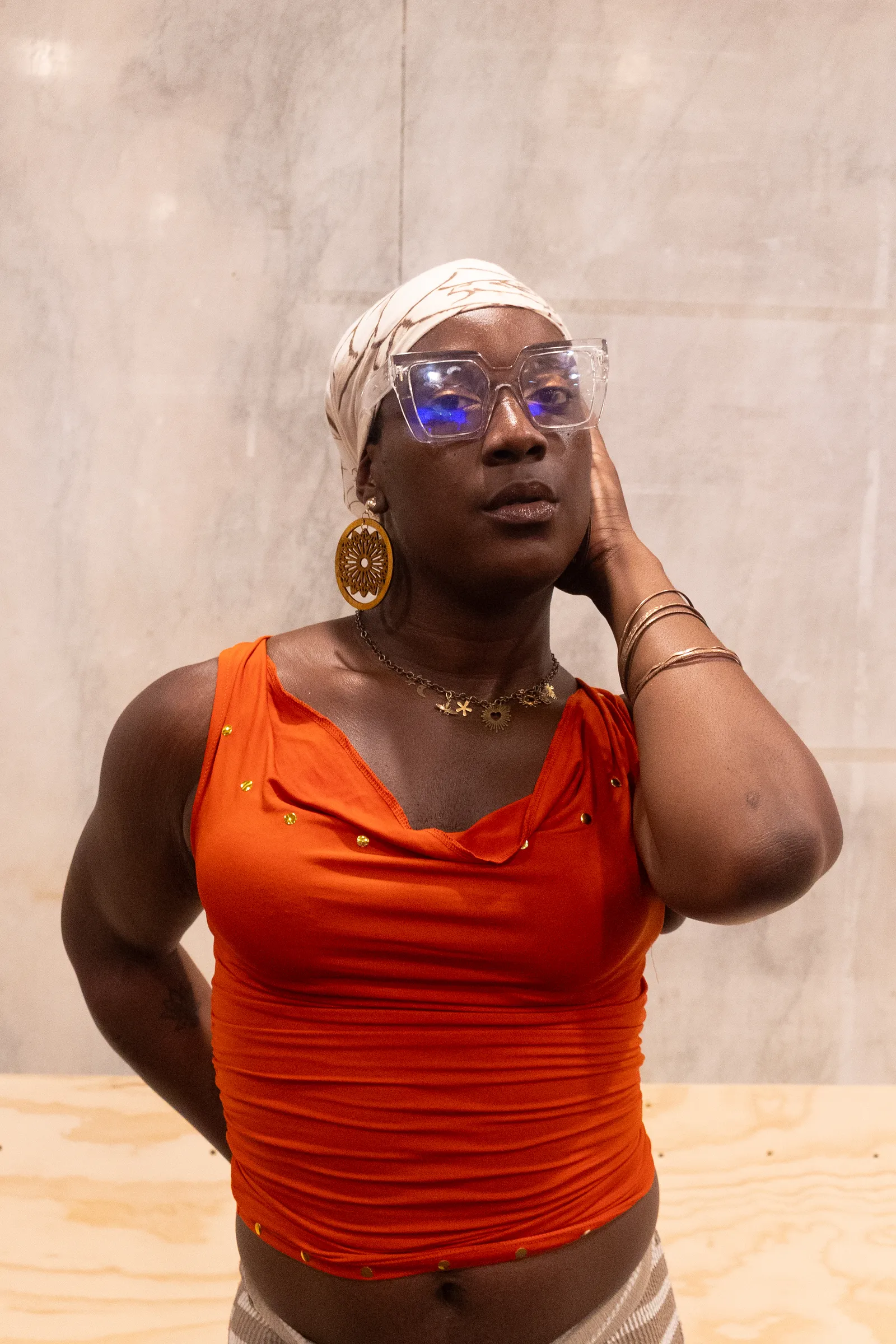
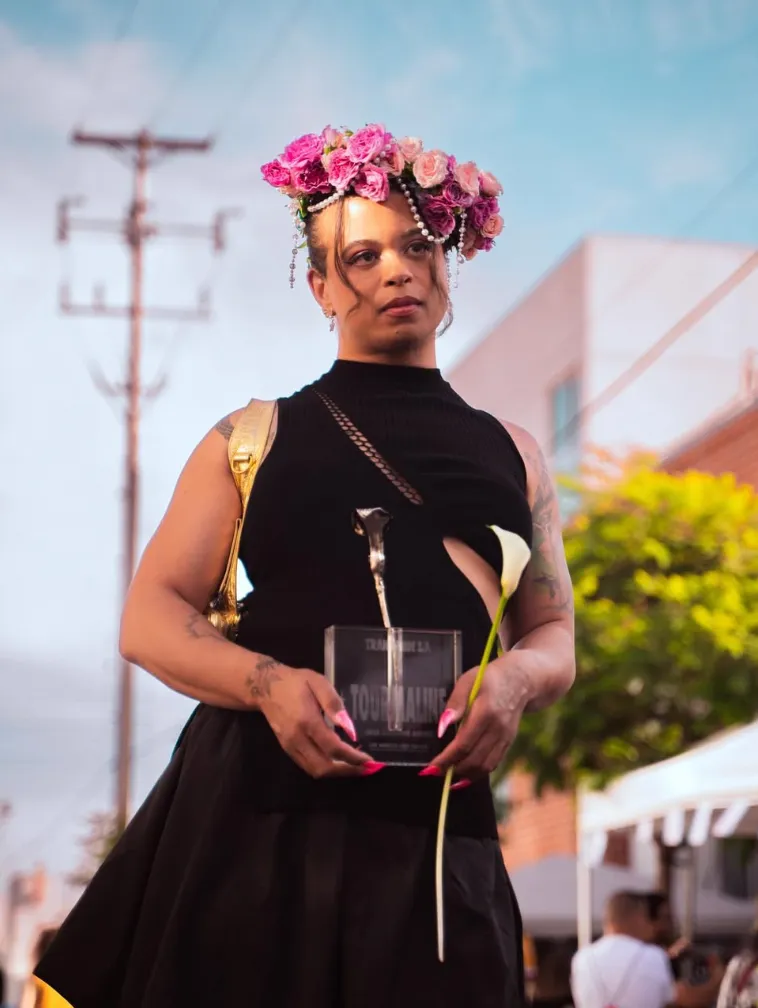
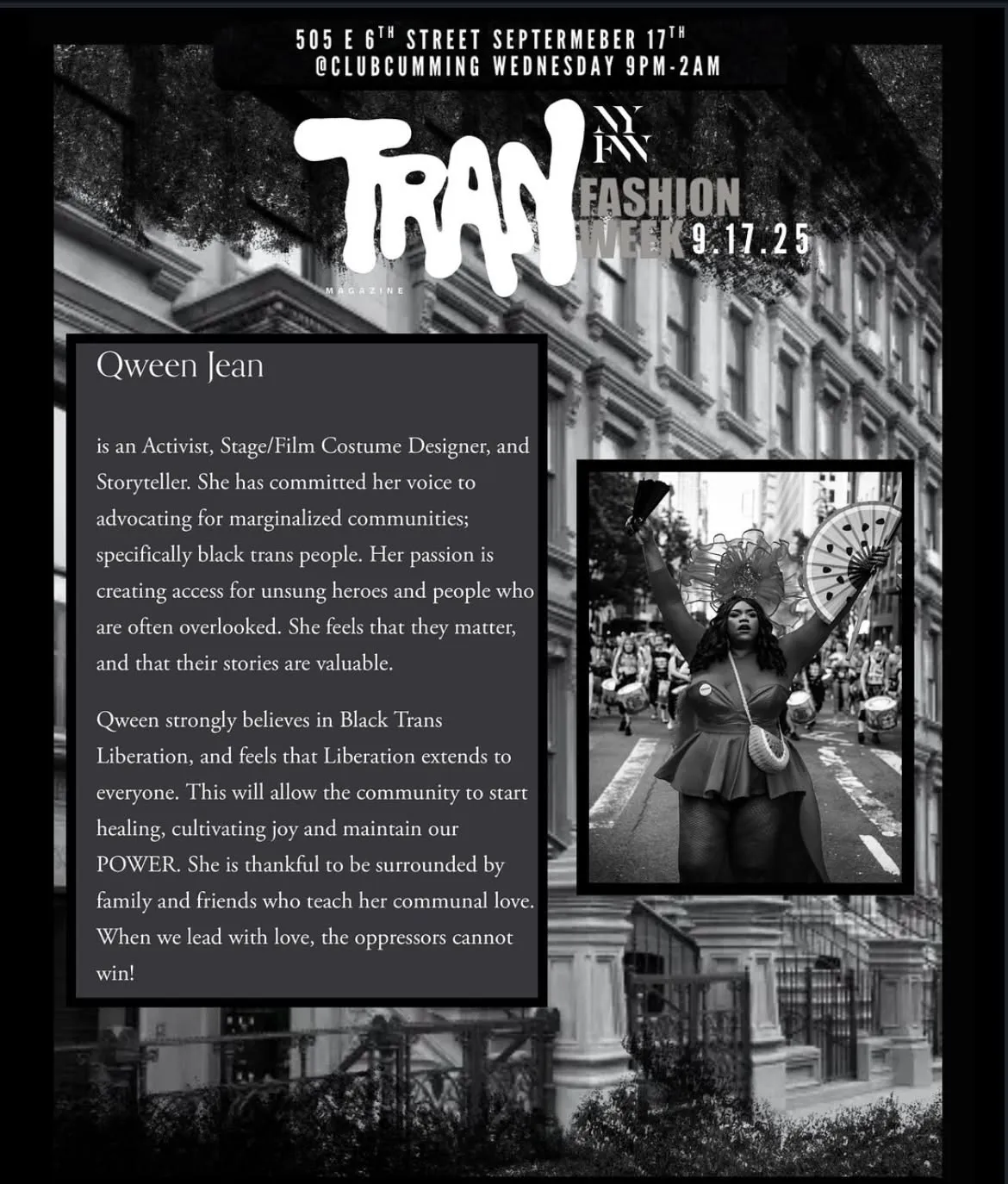
TRAN MAGAZINE is honored to announce our Queer of the Year 2026, Qween Jean, for her tremendous contributions to the Trans Lives Movement. From leading protests, to calling out corrupt politicians, to being an outspoken advocate for the humanity of all marginalized peoples, Qween Jean has long been on the front lines of fighting for social justice within New York City and beyond.
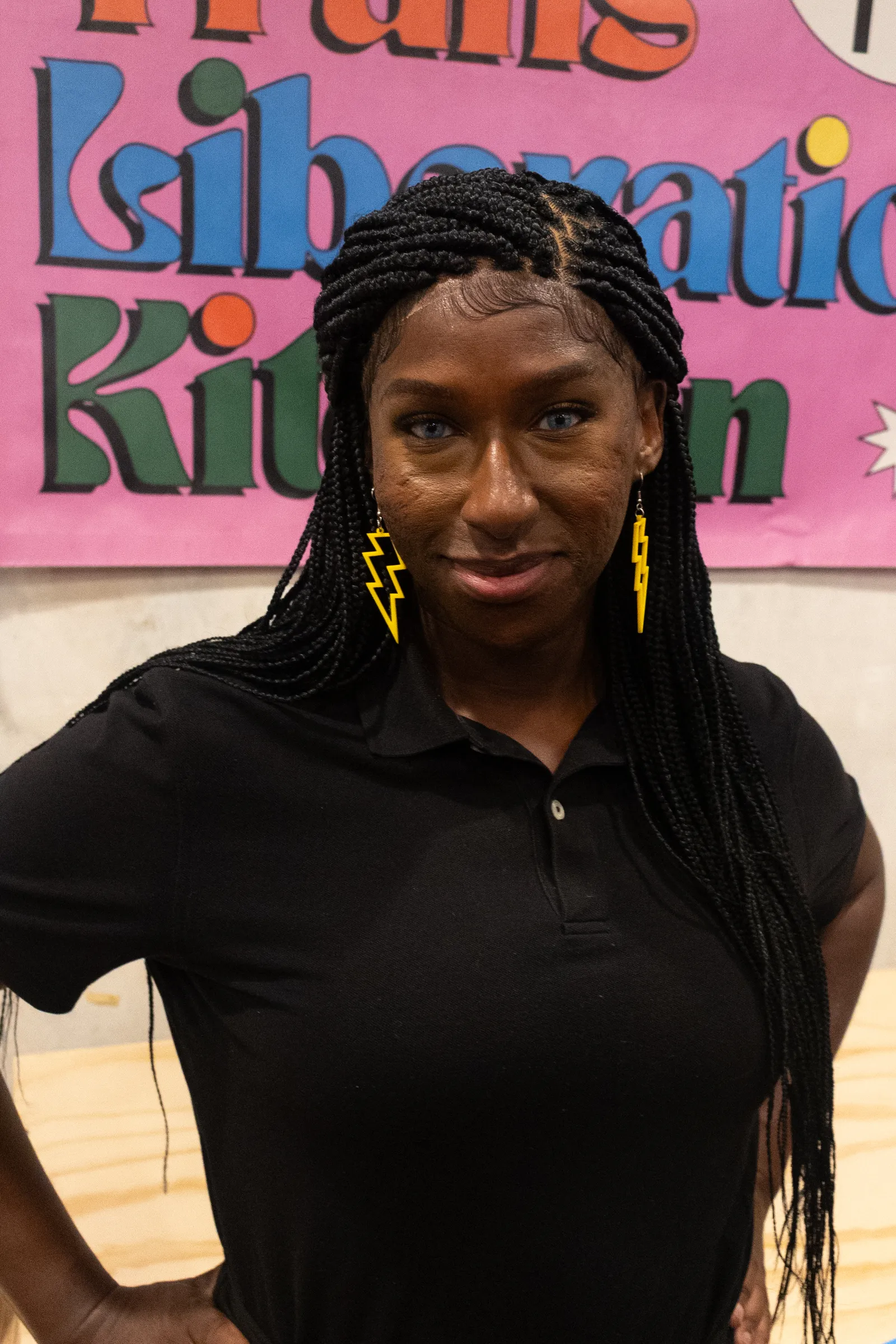
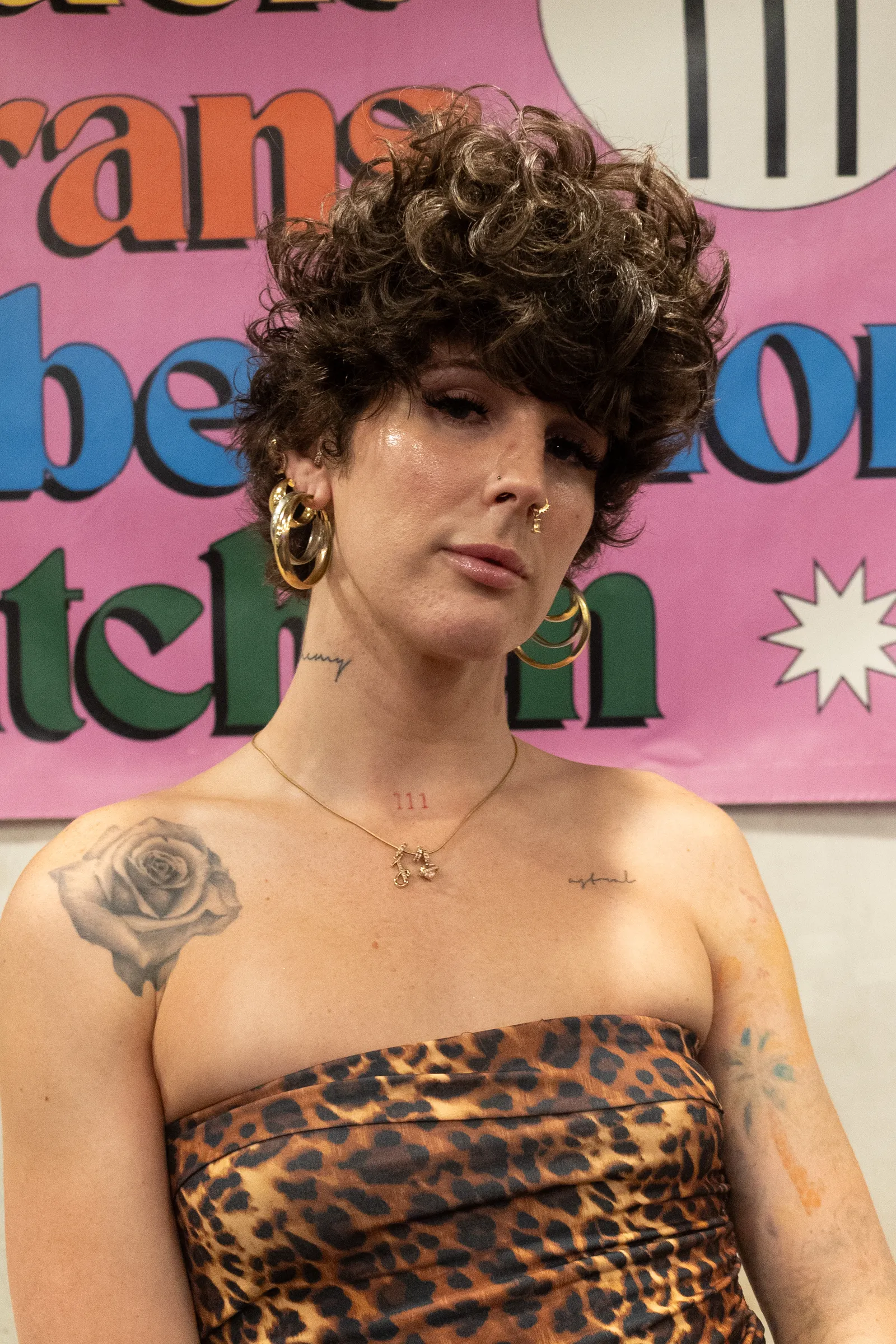
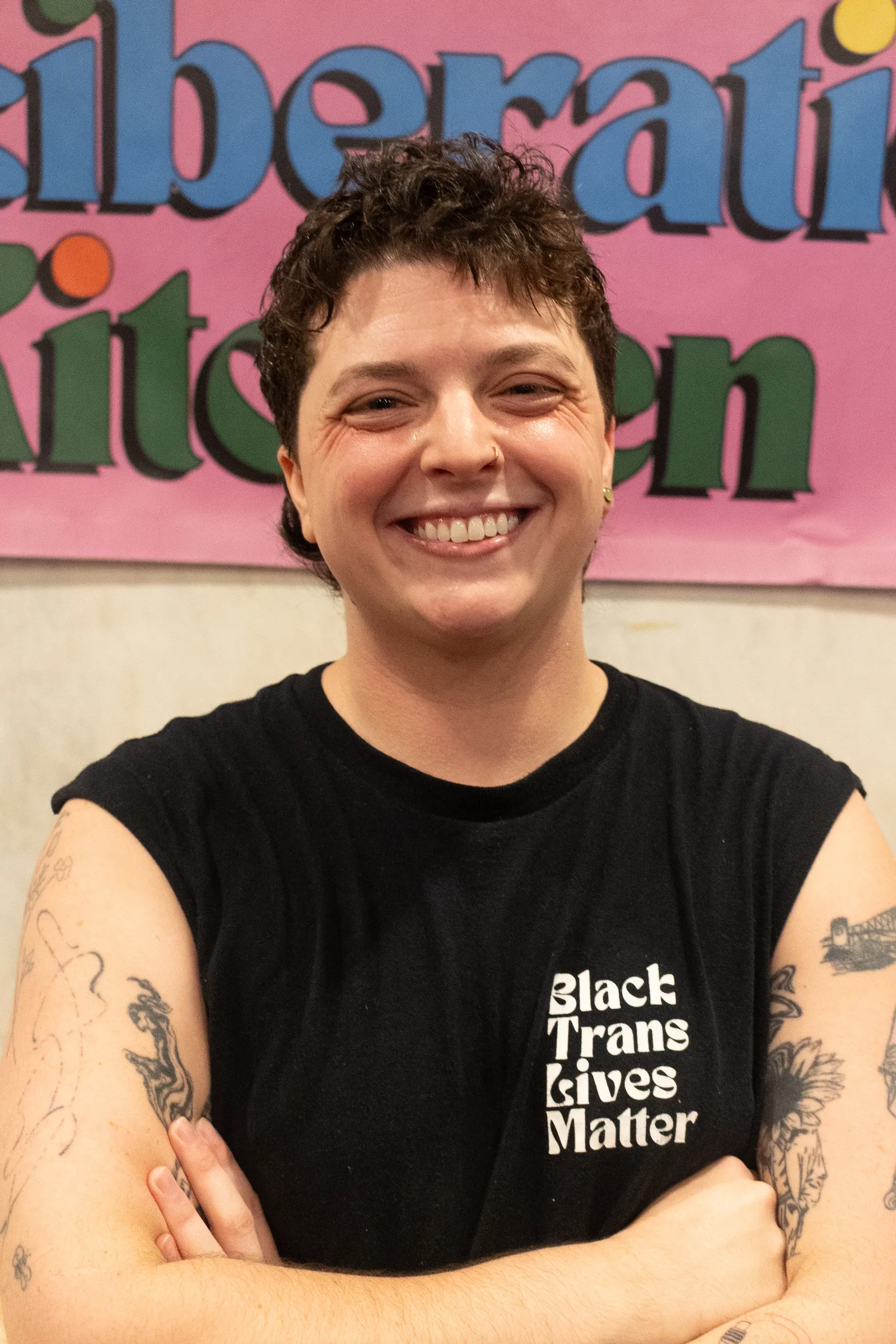
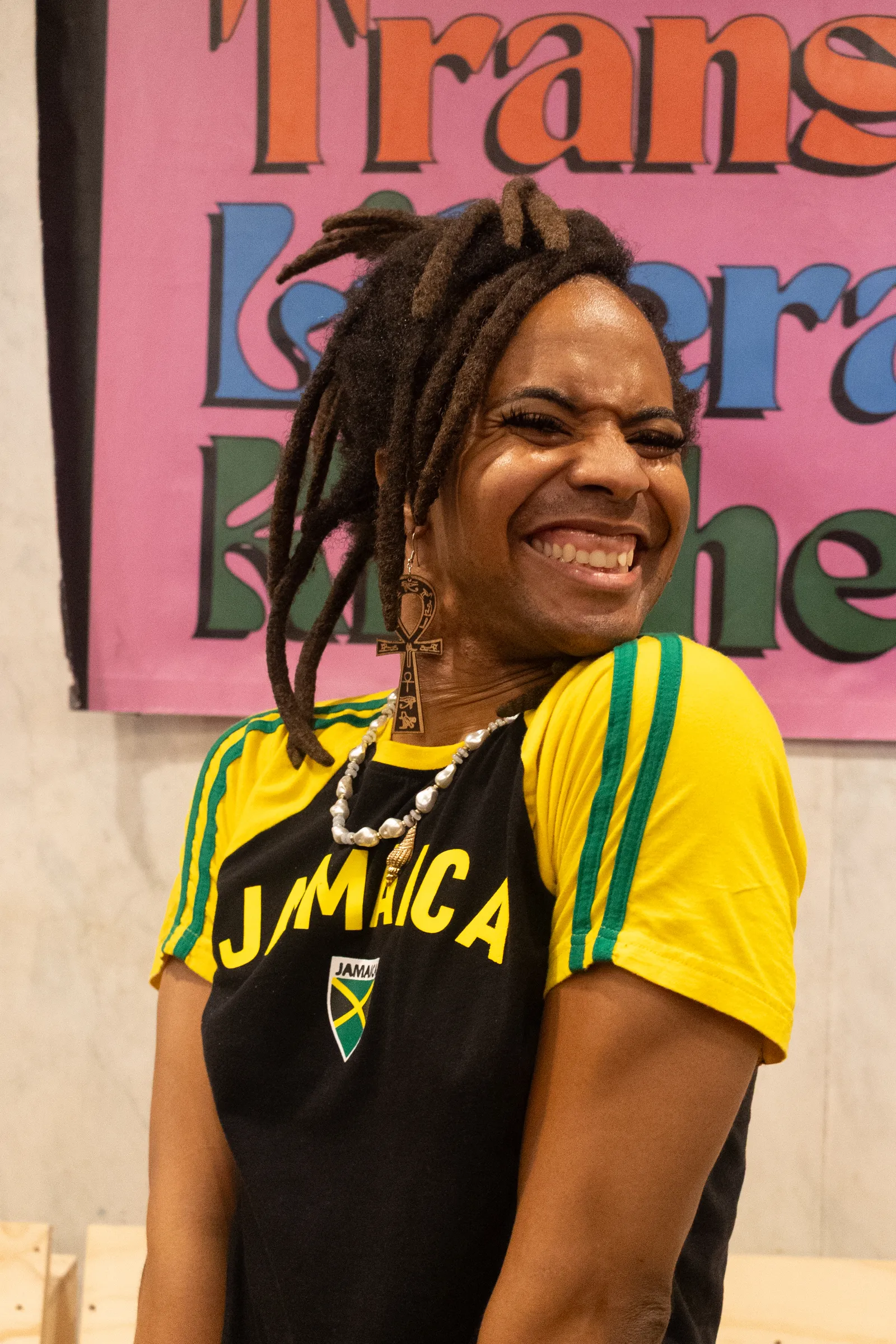
Qween Jean wears many hats, including being the founder of Black Trans Liberation (BTL), “an HMI award-winning service organization whose mission is to end homelessness and food insecurity within the trans population by providing access and resources from community partners that empower and celebrate the TGNC community” (blacktransliberation.com). Through their weekly community kitchen at Judson Memorial Church, BTL(K) feeds approximately 15,000 individuals per year. And these kitchens provide more than just food. Through her tireless dedication to affirming their lives, Qween Jean has developed a space where TGNCs are empowered to celebrate themselves without fear or censorship. BTLK is not just a guarantee of a hot and delicious meal, but a place for TGNCs to find community.
In addition to being a pillar of New York City’s queer and TGNC community, Qween Jean is a trailblazer in the world of fashion and theatre: breaking ground as the first ever trans Tony-winner for her costume design of Broadway’s CATS: The Jellicle Ball. Qween Jean is not only an organizer and designer, she is the epitome of Black and trans excellence.
Tran Magazine is proud to celebrate Qween Jean as the cover of our print issue and will be donating 50% of ticket sales from our launch party to BTL. Thank you for letting us in your doors and allowing us to witness this special journey.
Love.
Tran Magazine
QWEEN JEAN PART I
BLACK TRANS LIBERATION INTERVIEW
QWEEN JEAN - PART I
BLACK TRANS LIBERATION INTERVIEW
INTERVIEWER: The first question is about BTLK. Black Trans Liberation Kitchen has been operating every Wednesday since 2020. Our audience wants to know: How did the first Black Trans Liberation Kitchen gatherings start, and what is BTLK’s origin story?
From what we’ve witnessed, BTLK involves more than just Qween Jean; it takes a plethora of hands on deck. Who is part of your team, and who has been responsible for making this essential community service possible?
QWEEN JEAN: This question is really special. When I think about the genesis, I go back to the summer of 2020. The entire city was activated to take action after the murder of George Floyd, the shootings of so many other members of our community, and the murder of Breonna Taylor. These events occurred alongside the violent epidemic of transphobic violence against our community. I think of Tony McDade, who was killed two days after George Floyd, and Nina Pop in Missouri.
It awakened the consciousness of this country, especially in the city. Like hundreds of thousands of other people who could no longer sit in silence, even during a pandemic, I brought everything I had to the fight for justice. Our artistry in that fight became our transformation through the Stonewall protests and the activations and demonstrations for Black liberation. It was a communal and regenerative space that became a birthplace for many people in our city who were beginning to harness their power.
I think of Chi Osse, who launched his candidacy for City Council that same summer and won. There were many other leaders and organizations, including Freedom March NYC. However, the soul of Black Trans Liberation was rooted in education and mutual aid. That was important to us.
We began showing up on weekends and Thursdays and holding space. Holding space meant feeding our people and providing resources and essential services for over a year. That eventually transformed into the weekly Black Trans Liberation activation here.
The event that really formed the communal shape and foundation of what we now know as the Kitchen was the first Transgiving, held on the holiday in 2020. Many of us wanted to be of service that day while also acknowledging the whitewashed history of the holiday and the many Indigenous communities still awaiting reparations, the return of their land, and the restoration of Turtle Island.
For us, it was about acknowledging that history and being of service, so we fed our community. A downpour was expected that day, so we set up makeshift tents with tarps at Duarte Square Park, off Canal Street. There was love there, and our purpose came to fruition.
I’ll never forget an elder who came up to us about halfway through the event, probably around 8:00 p.m. They asked whether everything was free. By then, we had a large setup with clothing, canned goods, nonperishable food, groceries, vegetables, and an entire delicious meal donated through the love of the community. It was a potluck: people brought food, restaurants donated, and the community ate together. We took turns serving meals to everyone who came. It was powerful.
The elder said, “This is so nice. It reminds me of Marsha and Sylvia. They would make turkey sandwiches, put them in Ziploc bags, and take them around the Village in a shopping cart, feeding all the kids.”
For me, that was a divine sign that we were exactly where we were supposed to be: in service to our trans community. That has always been the genesis of Black Trans Liberation.
INTERVIEWER: Along with fostering a safe space for the community to mobilize, celebrate, and gather, Black Trans Liberation Kitchen is called a fellowship. What does fellowship mean to you, and why do you use that word to describe this celebration and communal gathering every Wednesday?
QWEEN JEAN: Before I answer, I want to add something to the first question. There have been many vital, essential contributors to the foundation of Black Trans Liberation. In the very beginning, people illustrated, painted, and helped us make signs. That work evolved into our mobile unit, which carried water and food.
We were doing this in a truly mobile way, off the back of a bicycle, with food, groceries, and snacks. That evolved into a cart, and we continued to grow throughout that entire year. There was not just one agent of love. We aptly called ourselves an “army of lovers,” and that incredible army showed up. It was powerful.
All those people showed up for Transgiving. We held a Transmas celebration right here in Washington Square Park. We also held a toy and gift giveaway and collected toys for the community. I’ll never forget that New Year’s Eve, when we took to the streets and rang in the new year together outside the giant time ticker in Union Square.
I want to thank every contributor and every person who helped us.
For me, fellowship is a spiritual covenant. It is an agreement that we, the people - the congregation, protesters, queer people, trans people, the broader community, and all people opposed to fascism and the status quo - have united and assembled to rejoice, educate, organize, and agitate. That has been the unifying principle behind everything we do.
Fellowship is sacred to me. As a young person, I wanted to belong to a spiritual faith. I grew up Catholic and later attended Methodist and Baptist churches. I deeply wanted to find a home, but as a very openly queer, radical young person, those spaces were not affirming.
We had to create fellowship for ourselves. Our fellowship has been born, cultivated, sustained, and shared through the kindness of strangers and our community. We share it with everyone, and it is a gift that continues to give.
INTERVIEWER: That answers our next question: What influences from your cultural background or childhood helped shape the creation of this space?
Our next question is about Black Trans Liberation Kitchen’s purpose: to extend the lives of Black trans women, who are often said to have a life expectancy of 35 years. For our audience, allies, and community, what steps and calls to action must we address and commit to in order to meet this goal? How can the community support BTLK in this purpose?
QWEEN JEAN: This has been a compass for me personally and for our army of lovers, who remain committed to showing up each week and being steadfast in the fight.
Some people have disputed that life-expectancy figure. Even so, it is undeniably true that we have experienced an extraordinary amount of loss. In the past four years, we have lost so many young people, elders, pioneers, and leaders. It is heartbreaking.
I think of Tommy Playboy, one of the first openly queer protesters, demonstrators, and social-justice warriors I met in the streets in May 2020. I’ll never forget them. They were voguing with a shopping cart full of snacks and resources, and I thought, “I want to be part of this.” Just weeks later, that led to the birth of Stonewall Protests, a curated and intentional space for Black queer and Black trans liberation. Their physical presence ignited the embers in my soul.
I think about our matriarchs, of course: Marsha P. Johnson and Sylvia Rivera. I also think about the titans we have lost recently, including Mother Major Griffin-Gracy, whom we lost this past year, and Cecilia Gentili - a powerhouse, goddess, warrior, bruja, and mother who was a home for me.
Loss has coexisted with our experience. We mourn, grieve, rejoice, and love. That has been our reality, and there are many more beautiful souls. We continue for them. We march for them, fight for them, and galvanize in their honor. We will vogue and dip in their name and glory. That is what we do.
INTERVIEWER: It is often said that sometimes the hardest part of life is simply showing up. Whenever the community calls, you are here - not just physically, but with your spiritual presence, joy, and resilience. You show up with a deep passion and determination for justice. That burden is not easy to carry.
When you wake up in the morning, look at your calendar, or face a difficult and exhausting day, what pulls you through? Where do you find the foundation and energy that allow you to be the superwoman you are?
QWEEN JEAN: I loved Superwoman as a child. She had luscious dark hair, and I saw myself in her.
“Superwoman” is such a generous, beautiful title. For me, though, I have always wanted to be of service to my community. I’ll never forget seeing Eric Garner say that he couldn’t breathe. The circulation of that video exposed the corruption, deceit, and lies of the NYPD.
It reminded me of the many times I was pulled over by law enforcement as a Black queer person, or found myself in the wrong place at the wrong time, having to plead for my safety and my life. I feared that no one was there and that I was alone. Even when people were present, sometimes they looked the other way.
As long as there is breath in my body, I am committed to doing everything I can to bear witness, speak out, rise up, and fight back.
I think about the videos of Nika Shakarami during the 2022 Woman, Life, Freedom movement for the liberation of women in Iran. I love Iranian people, culture, and food. There was no question about why I had to be there. It became a revelation about what more we could do.
I remember people asking, “Who is this tall Black lady showing up, thinking and protesting with us?” That has always been who I am. I felt that I had to show up, be present, help affirm the movement, and amplify the message that women deserve to be protected unconditionally.
Unfortunately, over the past three years, we have witnessed ongoing violence and terror that have affected the consciousness of this nation. We, as Americans and as people from other nations, have actively contributed to genocide and the bombing of children. Billions of dollars are sent each year to a nation that provides resources, education, and health care to its citizens while we struggle for those things here and face the stripping away of Medicaid.
We must examine what allegiance means when we willfully and unquestioningly contribute to the deaths of millions of people.
It affected me deeply to see bombings, burnings, massacres in tents and around flour aid, and shootings. I have stood on the front lines demanding a free Palestine while people screamed at me, “If you were there, they would throw you off a roof.” Then, the next week, we saw beautiful young Palestinians and children thrown from roofs. We saw soldiers occupy people’s homes, wear women’s lingerie, and urinate on children’s toys and family heirlooms.
It broke my heart to see mothers fleeing with their infants, dragging carts, strollers, and car seats behind them, not knowing whether they would escape. Did they make it? We may never know. Entire bloodlines have been decimated.
As a human being watching this, I refuse to remain silent because an industry or institution might demonize me for speaking out. We will always speak out.
It is “Free Palestine” until it is backward. It is free Gaza, free Sudan, free Congo, and free Haiti. We will continue to demand a free world. Even though so many forces seek to occupy us, we will not be occupied. The people in power can no longer occupy the space in our minds.
INTERVIEWER: Our last question about BTLK is a lighter one. BTLK is no soup kitchen. We eat hearty, nutritious, delicious food, including vegan options: mashed potatoes, macaroni and cheese, jerk chicken, Palestinian food, vegetables, and much more.
As a native islander from Haiti, what were your favorite cultural foods growing up? For anyone from the islands or an Indigenous culture, food is more than fuel; it is an important social and ancestral sharing of blessings. Why is this so significant in today’s culture?
QWEEN JEAN: On January 1, 1804, Haiti gained its independence after a revolt that liberated enslaved Haitian people. On that day, families prepared soup joumou, a squash soup filled with vegetables, protein, flour dumplings, noodles, and more. It is a mighty feast.
It was the first time that the people who cultivated the land were able to eat the harvest. What a glorious meal they had. That tradition has continued for hundreds of years.
When we made soup joumou at Black Trans Liberation, it became one of our favorite meals, and we have continued to serve it. We traditionally serve it on Haitian Independence Day, which is New Year’s Day.
For us, every day was Independence Day. We were actively choosing to become freer and rejecting the idea that people cannot coexist in harmony without possessing, controlling, or dominating their neighbors. We do not need to, and our ancestors did not need to. Period.